Asthma is a typical persistent condition that influences millions of children worldwide. As caregivers, understanding how to recognize asthma signs and symptoms in youngsters is critical for providing timely and effective treatment. In this extensive overview, we will certainly go through the different facets of asthma management, from identifying signs to carrying out emergency treatment measures.
Understanding Asthma: The Basics
Asthma is identified by swelling and narrowing of the air passages, making breathing tough. It can be triggered by numerous factors, consisting of allergens, exercise, climate changes, and breathing infections. Learning exactly how to recognize bronchial asthma signs and symptoms in kids can encourage you as a caretaker to respond effectively.
What Creates Asthma?
Asthma can stem from hereditary predispositions or ecological variables. Common triggers include:
- Allergens: Dust mites, plant pollen, mold and mildew spores, and pet dog dander. Irritants: Cigarette smoke, air pollution, and strong odors. Physical Activity: Exercise-induced bronchoconstriction can happen throughout physical exertion. Weather Conditions: Cold air or sudden temperature level modifications might intensify symptoms.
Recognizing Asthma Signs in Children
Recognizing asthma signs in youngsters involves being alert regarding modifications in their habits or wellness status. Trick symptoms include:
- Wheezing: A shrill whistling noise when exhaling. Coughing: Persistent coughing that may aggravate at night or throughout play. Shortness of Breath: Trouble breathing or really feeling out of breath throughout physical activity. Chest Tightness: A feeling of tightness or stress in the chest.
By observing these indicators at an early stage, caretakers can act without delay to manage the kid's condition.
The Importance of Very early Recognition
Early acknowledgment of asthma signs can considerably reduce the risk of serious strikes. When caregivers are outfitted with understanding regarding acknowledging asthma signs and symptoms in kids, they are better prepared to take appropriate action quickly.
Common Mistaken beliefs Regarding Asthma
There are a number of misunderstandings bordering asthma that can hinder efficient management:

Understanding these mistaken beliefs helps caretakers come close to bronchial asthma with reasonable expectations.
Choking Prevention & Emergency treatment Training
In enhancement to taking care of asthma signs, caregivers have to also recognize choking avoidance strategies. Correct training like HLTAID012 certification Australia offers thorough first aid education tailored for educators dealing with children.
Key Choking Prevention Techniques
Supervise Meal Times: Always watch over kids while they eat. Cut Food Properly: Cut foods into tiny items ideal for the kid's age. Teach Safe Eating Habits: Motivate chewing food extensively prior to ingesting and dissuade talking while eating.Responding to a Choking Incident
If a kid starts to choke:
Assess if they are able to cough or take a breath; if not: Call for help instantly while carrying out back impacts and abdominal drives (Heimlich maneuver). If skilled, make use of an EpiPen if an allergy comes with choking (for those with well-known allergic reactions).Playground Accidents and Security Protocols
Playgrounds are commonly websites for small injuries among children-- a location where correct first aid knowledge enters play.
Managing Minor Injuries on the Playground
When crashes happen on the play ground:
Assess the injury:- Is it a scrape or cut? Is there significant bleeding?
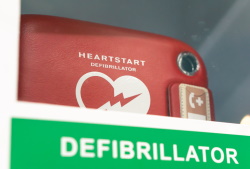
Child Defibrillation Guidance
For severe circumstances like heart attack (although unusual), knowing kid defibrillation guidance ends up being vital:
- Ensure you call emergency services instantly prior to starting CPR. Use pediatric pads if available when making use of an Automated External Defibrillator (AED).
Building Teacher Self-confidence Via Training
Equipping educators with emergency treatment training promotes self-confidence in dealing with emergency situations within child care setups.
Written vs Practical Elements of Training
The ideal training programs include both written products and sensible exercises:
Written parts provide theoretical knowledge about youth health problems and first aid protocols. Practical exercises develop hands-on skills needed during real-life emergencies.This mix makes sure teachers are well-prepared for any situation that occurs concerning identifying bronchial asthma symptoms in kids or responding to various other cases like choking.
Incident Coverage Protocols
Effective incident reporting methods aid keep safety criteria within childcare environments.
Steps for Accurate Case Reporting
Document the occurrence information promptly after it takes place:- Date & & time Individuals involved Nature of the incident Actions taken
Immediate Feedback Obligations for Caregivers
As caregivers, knowing your immediate reaction duties during an emergency situation is vital:
Key Obligations Include:
Ensuring safety by getting rid of dangers from the atmosphere (e.g., sharp things). Administering first aid as needed based on your training degree (like HLTAID012 qualification). Communicating plainly with parents regarding any kind of incidents involving their child and maintaining transparency throughout the process.Renewal Timelines for Emergency treatment Certifications
Maintaining current accreditations guarantees that you're constantly prepared-- understand your revival timelines!
Renewal Timelines Overview
|Certification|Revival Frequency|| ---------------|------------------|| HLTAID012|Every 3 years|| Baby mouth-to-mouth resuscitation|Yearly|| Toddler First Aid Basics|Every 2 years|
Keeping track of these timelines avoids gaps in essential abilities needed for successfully handling emergency situations including childhood health problems like asthma or taking care of choking incidents.
FAQs Concerning Acknowledging Asthma Signs in Children
What activates bronchial asthma strikes in children?
Common sets off include allergens such as allergen and plant pollen; irritants like cigarette smoke; workout; climate adjustments; and respiratory system infections.
How do I recognize if my youngster's coughing results from asthma?
If your youngster has consistent coughing that aggravates at night or during playtime-- and is come with by wheezing-- maybe a measure of asthma.
Can I avoid my youngster from having an asthma attack?
While you can not totally protect against asthma attacks, lessening direct https://www.storeboard.com/blogs/apps-and-software/hltaid011-your-comprehensive-overview-to-giving-emergency-treatment-in-australia/6299861 exposure to known triggers can dramatically lower their frequency.
When should I seek clinical assistance for my youngster's asthma?
Seek prompt clinical attention if your youngster reveals indications of serious problem breathing; if their lips or face transform blue; or if they don't react well to medication.
What ought to I do if my child's prescribed inhaler isn't working?
If your kid's inhaler isn't giving alleviation after numerous dosages over a brief period-- or if their signs worsen-- look for emergency medical help right away.
How commonly should I have my youngster's medication reviewed?
Regular exams every 6 months-- with modifications made as required-- assistance make sure optimum control over handling your youngster's asthma.
Conclusion
Recognizing bronchial asthma signs in children is essential for caretakers entrusted with guaranteeing their health in your home or within educational setups alike! By recognizing crucial signs such as hissing and relentless coughs-- together with incorporating correct first aid practices-- you contribute dramatically towards fostering secure atmospheres favorable not just towards discovering but general wellness too!
With resources like HLTAID012 accreditation Australia readily available today along with unwavering dedication in the direction of enhancing instructor self-confidence around managing youth wellness crises-- we stand far better complete than ever before!
So let's integrated-- as caretakers-- to produce spaces where children grow devoid of concern connected with chronic problems such as this one!